Comprehensive Guide to Understanding the Hysterectomy Risk of Death and Ensuring Safe Gynecological Care
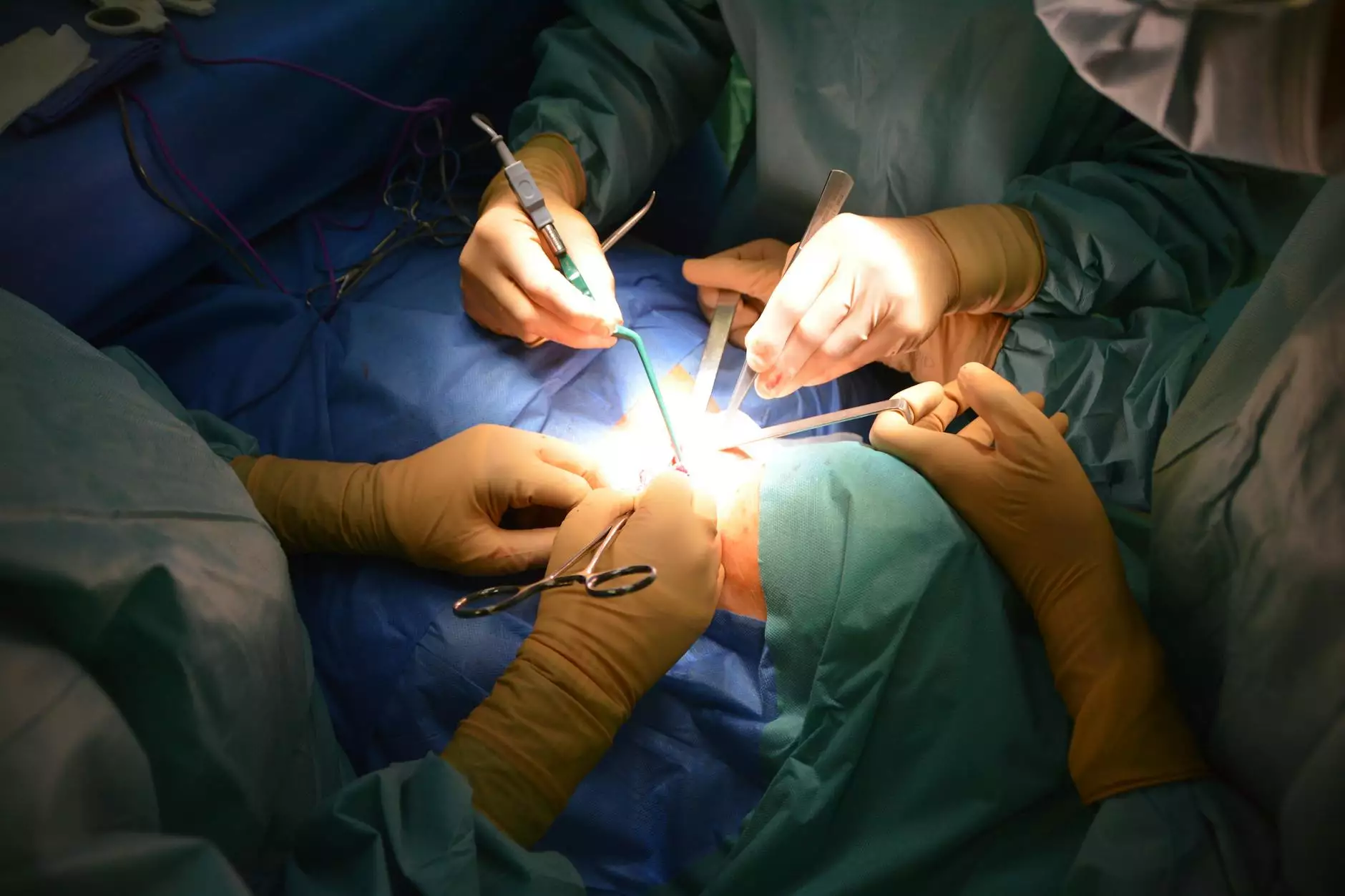
When it comes to women’s reproductive health,: understanding the medical procedures involved, especially invasive surgeries like hysterectomy, is crucial. This comprehensive guide aims to shed light on the hysterectomy risk of death, explore safety protocols, and provide valuable insights from top obstetricians & gynecologists to empower women in making informed healthcare decisions.
What Is a Hysterectomy? An Overview of This Critical Gynecological Procedure
A hysterectomy is a surgical operation that involves the removal of a woman’s uterus. Depending on the patient’s condition, it may also include the removal of the cervix, ovaries, fallopian tubes, and surrounding tissues. This procedure is typically performed to treat various medical conditions such as fibroids, endometriosis, uterine prolapse, or cancer of the reproductive organs.
Hysterectomy can be classified into several types based on the surgical approach:
- Abdominal hysterectomy: removal of the uterus through an incision in the lower abdomen.
- Vaginal hysterectomy: removal through an incision in the vagina.
- Laparoscopic hysterectomy: minimally invasive, using small incisions and a camera.
- Robotic-assisted hysterectomy: an advanced form of laparoscopic surgery offering enhanced precision.
The Significance of Understanding the Hysterectomy Risk of Death
While hysterectomy is generally considered a safe procedure when performed by experienced surgeons, it is still a major surgery carrying certain risks. Understanding the hysterectomy risk of death is essential for women contemplating the procedure, as it enables them to weigh the benefits against potential dangers and make informed choices about their health.
Analyzing the Hysterectomy Risk of Death: What Do Current Data and Medical Studies Say?
Recent medical research indicates that the hysterectomy risk of death remains relatively low thanks to advancements in surgical techniques, anesthesia, and preoperative care. According to large-scale studies, the operative mortality rate for hysterectomy varies between 0.1% to 0.3%, depending on factors such as patient health, age, surgical method, and hospital resources.
Most obstetricians & gynecologists agree that mortality related to hysterectomy is rare, with the primary concern shifting towards complication management. The most common risks include infection, bleeding, injury to adjacent organs, and anesthesia-related issues. However, the hysterectomy risk of death remains very low in controlled hospital environments with skilled surgical teams.
Factors Influencing the Hysterectomy Risk of Death
Several critical factors can influence the hysterectomy risk of death, and understanding these helps both patients and surgeons prepare appropriately:
- Patient’s age and overall health: Older patients or those with chronic illnesses like heart disease, diabetes, or respiratory issues face a slightly increased risk.
- Type of hysterectomy performed: More invasive procedures tend to have a higher risk profile.
- Emergency vs. elective surgery: Emergency hysterectomies carry higher mortality risks due to lack of preparation and bleeding control.
- Hospital resources and surgical expertise: Facilities equipped with modern technology and experienced surgeons significantly reduce risk.
- Preoperative assessment and postoperative care: Proper evaluation and careful recovery management are crucial for minimizing mortality.
Enhancing Safety: How Medical Professionals Minimize the Hysterectomy Risk of Death
Leading obstetricians & gynecologists focus on a multi-layered approach to ensure patient safety and reduce the hysterectomy risk of death:
- Comprehensive preoperative evaluation: Includes thorough medical history, physical examination, and necessary diagnostic tests.
- Meticulous surgical planning: Surgeons select the most appropriate surgical approach based on patient condition and medical history.
- State-of-the-art surgical techniques: Minimally invasive methods like laparoscopy tend to lower complication rates and improve recovery times.
- Strict adherence to aseptic protocols: Prevents postoperative infections, a serious concern in any major surgery.
- Postoperative monitoring and care: Close observation in recovery to ensure complications are detected early and managed effectively.
The Role of Patient Education and Informed Consent
Informed decision-making is foundational to patient safety. Women should receive detailed information about the hysterectomy risk of death, potential complications, recovery expectations, and alternative treatments. This ensures they are empowered to discuss concerns openly with their healthcare providers and participate actively in planning their care.
Health professionals advocate for clear communication, which includes:
- Explaining the necessity and benefits of the procedure
- Discussing potential risks and how they are managed
- Addressing questions about recovery and lifestyle changes post-surgery
- Providing comprehensive written materials for reference
Advances in Surgical Safety Protocols and Their Impact on Mortality Rates
Today's surgical safety protocols, including Enhanced Recovery After Surgery (ERAS) programs, sterilization improvements, and anesthesia advancements, have transformed hysterectomy outcomes. These innovations contribute directly to decreasing the hysterectomy risk of death and improving overall patient prognosis.
Telemedicine consultations before surgery also allow for detailed preoperative assessments, optimizing patient conditions and ensuring readiness for surgery, further reducing risks.
Alternative Treatments and When Surgery Is Truly Necessary
Not all medical conditions requiring hysterectomy are urgent. Often, conservative or less invasive treatments can be effective, such as:
- Medication therapy for fibroids or endometriosis
- Uterine artery embolization
- Magnetic resonance-guided focused ultrasound
- Hormonal treatments
However, in cases where these options are ineffective or unsuitable, hysterectomy remains a highly successful intervention with an excellent safety profile, especially when performed under expert care with modern protocols.
Specialist Care at Dr. Seckin and The Importance of Choosing Experienced Obstetricians & Gynecologists
At drseckin.com, we emphasize the importance of consulting experienced obstetricians & gynecologists who prioritize surgical safety, patient education, and personalized care. Our specialists employ the latest surgical techniques and adhere to rigorous safety standards that significantly minimize the hysterectomy risk of death.
Choosing a healthcare provider with proven expertise ensures:
- Accurate diagnosis and surgical planning
- Use of minimally invasive options when appropriate
- Attention to detail in pre and postoperative care
- Optimal patient outcomes with minimal risks
Final Thoughts: Confidence in Safety and Quality Care
In conclusion, although any surgery carries inherent risks, advances in gynecological surgery, rigorous safety protocols, and the expertise of seasoned obstetricians & gynecologists have made hysterectomy one of the safest major surgeries available. The hysterectomy risk of death is exceedingly low in experienced hands, and informed patients who understand the procedure and its risks are better equipped to undergo treatment confidently.
At drseckin.com, our mission is to provide exceptional care tailored to each woman’s unique condition, prioritizing safety, comfort, and long-term reproductive health. If you are considering a hysterectomy or need expert guidance, our dedicated team is here to help you navigate your options safely and confidently.