Maximizing Business Efficiency with Barcode Checkers
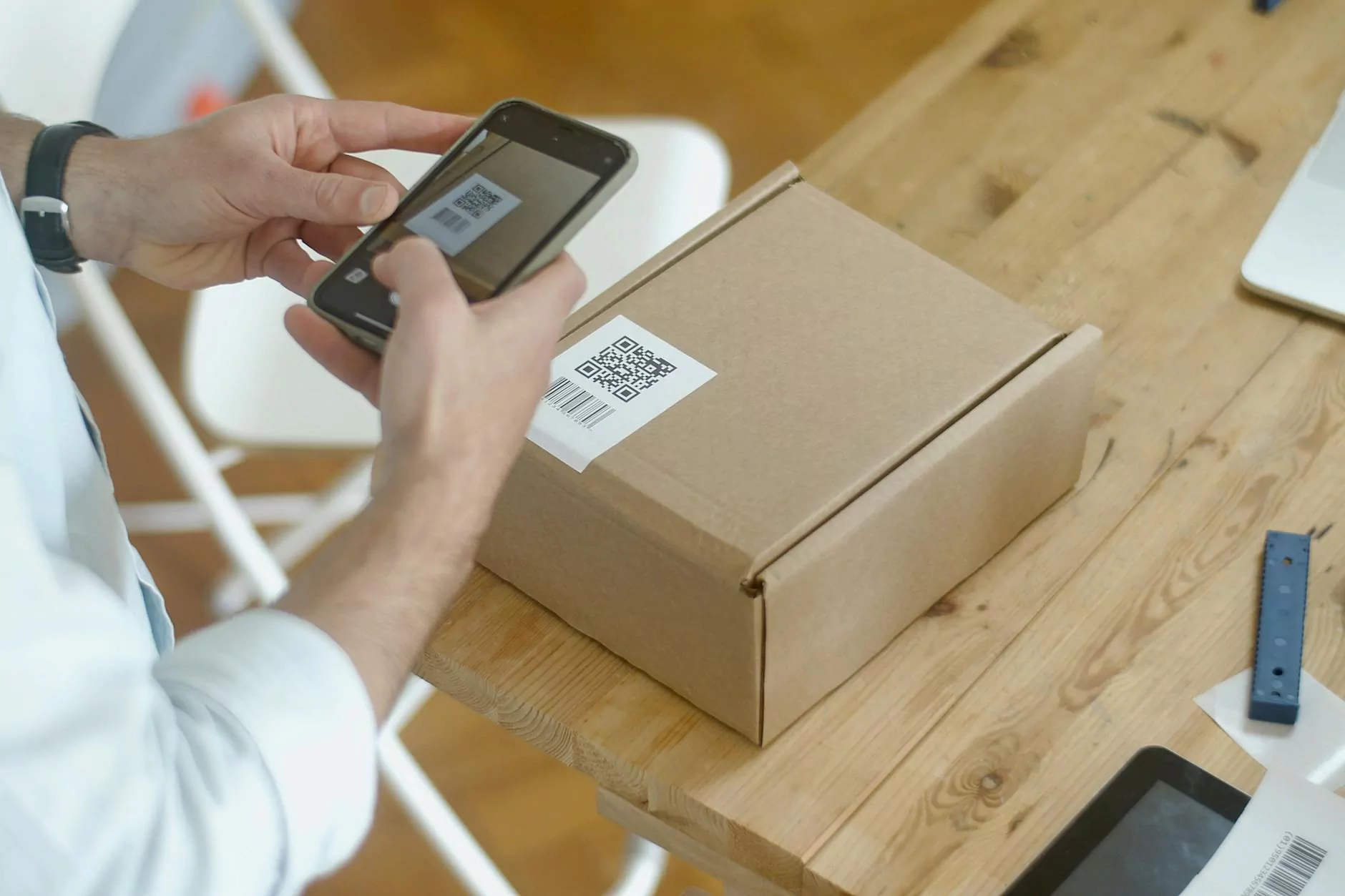
In today's fast-paced business world, efficiency and accuracy are paramount. One revolutionary tool that has transformed operational capabilities across various industries is the barcode checker. Businesses, especially those in the realm of printing services and electronics, find barcode checkers to be indispensable for managing inventory, improving shipping processes, and enhancing customer experiences.
Understanding Barcode Checkers
A barcode checker is a device or software application designed to read and verify barcodes. Barcodes are unique identifiers assigned to products, making it possible to track them throughout the supply chain. The integration of barcode checkers into business operations ensures that products are easily identified, counted, and managed with exceptional precision.
How Do Barcode Checkers Work?
At their core, barcode checkers function by scanning barcodes and translating the encoded data into human-readable information. This process involves:
- Scanning: Using a laser or camera-based scanner, the device captures the barcode image.
- Decoding: The barcode information is decoded into a format that can be understood by the systems in place.
- Verification: The decoded information is cross-checked against a database to ensure accuracy.
The efficiency of barcode checkers reduces the likelihood of human error in data entry and inventory management, which is crucial for businesses that deal with a high volume of products.
The Importance of Barcode Checkers in Business
Utilizing a barcode checker can greatly benefit businesses in numerous ways:
1. Increased Efficiency
With barcode checkers, the speed of inventory management and order fulfillment is significantly enhanced. The time spent on manually entering product information is drastically reduced, allowing staff to allocate their time to more critical operational tasks. This boost in efficiency leads to:
- Faster checkout processes in retail environments.
- Quicker stock audits and restocking operations.
- Reduced waiting times for customers, enhancing overall satisfaction.
2. Enhanced Accuracy
Human error is a common challenge in many businesses. Mistakes in data entry can lead to inventory discrepancies, causing lost sales and customer dissatisfaction. Barcode checkers offer:
- Real-time Data Accuracy: Scanning barcodes minimizes miscommunication and inaccuracies in product data.
- Reduced Returns: Accurate tracking of products decreases the chance of sending incorrect items to customers.
3. Improved Inventory Management
Barcodes provide a systematic way to handle inventory. Implementing a barcode checker optimizes inventory management by:
- Streamlining Stock Control: Businesses can easily track their inventory levels and identify items that need replenishment.
- Automating Reordering Processes: Many systems can be configured to automatically reorder stock when levels fall below a specified threshold.
4. Enhanced Customer Experience
A seamless shopping experience is vital for customer retention. With barcode checkers, businesses can ensure that:
- Transactions are completed swiftly.
- Orders are processed accurately and promptly.
- Customers can access detailed product information effortlessly.
Implementing Barcode Checkers in Your Business
For businesses at durafastlabel.ca, integrating a barcode checker into your operational model can be done effectively through the following steps:
Step 1: Assess Your Needs
Start by evaluating specific requirements based on your business size, industry, and objectives. Consider:
- The type and volume of products you manage.
- The complexity of your inventory systems.
- Your existing management software compatibility.
Step 2: Choose the Right Barcode Checker
Select a barcode checker that fits your needs, taking into account:
- Type of Scanner: Decide between handheld, fixed-mount, or mobile options.
- Software Integration: Ensure that the checker can integrate seamlessly with your existing systems.
- Support and Training: Consider vendors that offer strong customer support and training resources.
Step 3: Train Your Staff
Proper training is critical for successful implementation. Provide comprehensive training sessions for your staff to ensure they are familiar with using the barcode checker effectively.
Step 4: Monitor and Optimize
After implementation, regularly monitor the performance of your barcode checking system and optimize processes as necessary. Collect feedback from users to identify pain points and areas for improvement.
Practical Applications of Barcode Checkers
Barcode checkers are versatile tools that find applications across various sectors:
Retail
In retail, barcode checkers streamline customer checkout, manage inventory, and track sales data. They facilitate:
- Quick inventory audits.
- Efficient pricing updates.
- Real-time analysis of customer purchasing trends.
Manufacturing
Manufacturers utilize barcode checkers to monitor production lines and track raw materials. These devices help to:
- Identify manufacturing defects.
- Track batches for quality control.
- Manage supply chain logistics.
Healthcare
In healthcare, accuracy is crucial. Barcode checkers are used to:
- Verify patient identity and medication administration.
- Manage medical inventory and supplies.
- Ensure compliance with regulatory standards.
Logistics
Logistics companies rely on barcode checkers for tracking shipments and managing warehouse operations. They provide:
- Efficient tracking of goods in transit.
- Accurate delivery confirmation.
- Streamlined returns processing.
Future Trends in Barcode Checking Technology
The realm of barcode technology continues to evolve, with advancements enhancing how businesses function. Some trends to watch include:
1. Integration with AI and Machine Learning
Artificial Intelligence (AI) and machine learning are shaping the future of barcode checkers by:
- Predicting inventory needs.
- Automating product identification processes.
2. Mobile Barcode Scanning
As smartphones become increasingly capable, mobile barcode scanners are rising in popularity for their convenience and accessibility. They allow businesses to:
- Conduct inventory checks on the go.
- Provide immediate customer service solutions.
3. Expanded Use of QR Codes
QR codes are gaining traction as they hold more data than traditional barcodes. Their applications range from marketing to enhanced customer engagement. Businesses are adopting QR codes to:
- Provide product information.
- Facilitate seamless mobile payments.
Conclusion
Integrating a barcode checker into your business operations can yield substantial benefits by enhancing efficiency, accuracy, and customer satisfaction. For companies engaged in printing services and electronics, the advantages are particularly pronounced, offering a streamlined approach to inventory management and customer interaction. As technology advances, staying abreast of trends ensures your business remains competitive and responsive to market demands.
To learn more about enhancing your business operations with barcode checkers and other innovative solutions, visit durafastlabel.ca.