Comprehensive Guide to Vascular Lab Ultrasound for Vascular Medicine & Patient Care
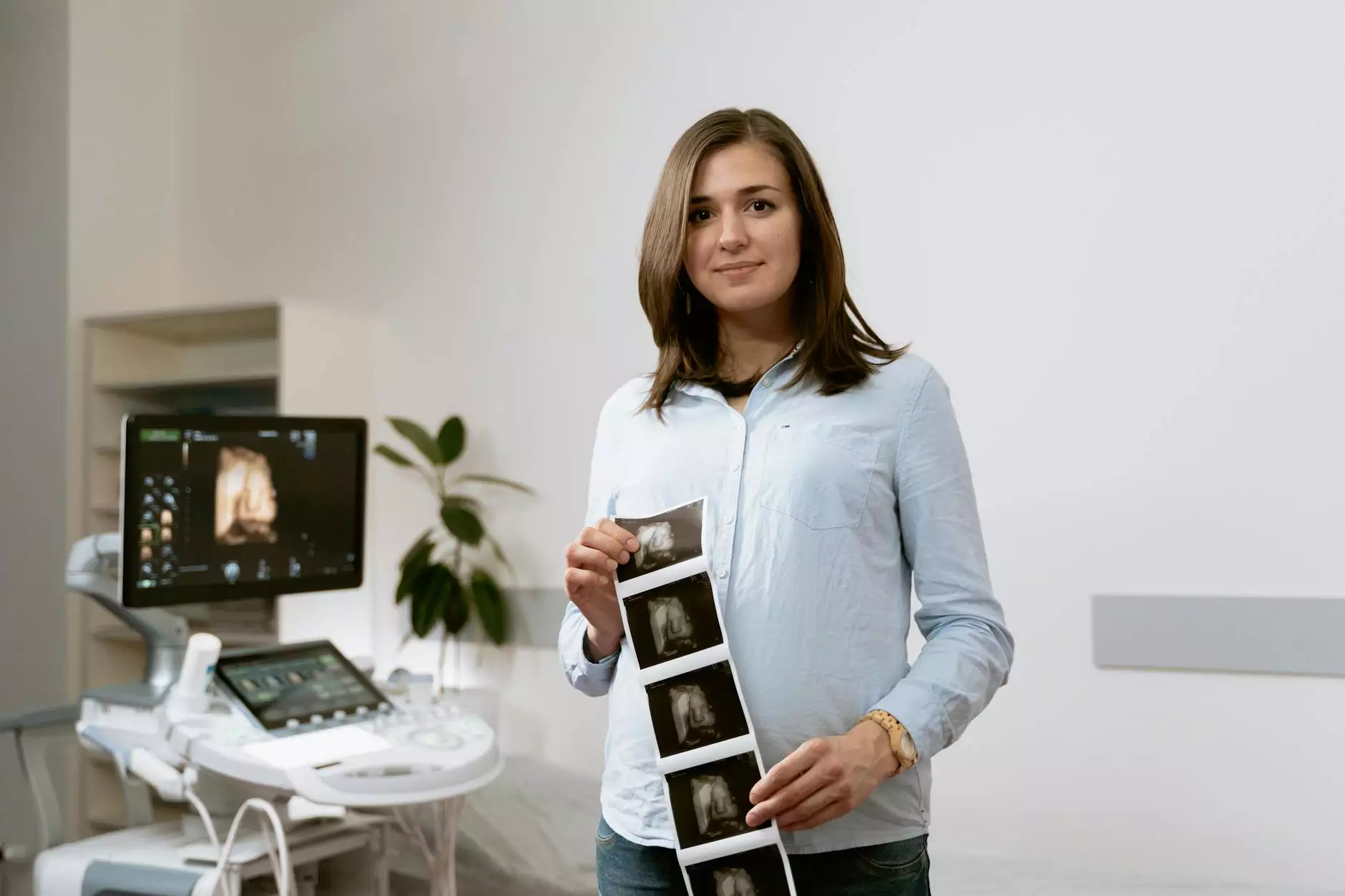
In the realm of vascular medicine, precision, early diagnosis, and effective monitoring are crucial to managing various vascular conditions. Vascular lab ultrasound has emerged as an indispensable diagnostic tool, revolutionizing how physicians assess vascular health, plan treatments, and improve patient outcomes. As a cornerstone of advanced vascular diagnostics, ultrasound technology offers non-invasive, real-time visualization of blood flow, vessel morphology, and dynamic vascular health metrics.
Understanding the Role of Vascular Lab Ultrasound in Modern Medicine
Vascular lab ultrasound is a specialized application of ultrasound imaging tailored to evaluate the circulatory system's structure and function. It plays a pivotal role in diagnosing conditions such as peripheral artery disease (PAD), deep vein thrombosis (DVT), carotid artery stenosis, and varicose veins. This technology provides detailed insights by harnessing high-frequency sound waves to generate precise images of blood vessels, blood flow velocities, and vessel wall characteristics.
Modern vascular labs utilize sophisticated ultrasound equipment combined with expert sonographers and vascular specialists to interpret complex data. The entire process is rapid, safe, and painless, making it ideal for routine check-ups, pre-surgical assessments, and ongoing management of vascular diseases.
How Vascular Lab Ultrasound Works
The principle behind vascular lab ultrasound involves sending high-frequency sound waves through the body. These sound waves are reflected off blood cells and vessel walls, creating echoes that are captured and converted into visual images. Doppler ultrasound, a subset of vascular ultrasound, measures the velocity and direction of blood flow, thus facilitating detailed flow analysis.
Main Components of Vascular Lab Ultrasound
- Transducer Probe: Emits and receives ultrasound waves, designed specifically for vascular imaging with varying frequencies for different depths.
- Color Doppler Imaging: Visualizes blood flow using color overlays to discern flow direction and velocity.
- Pulsed Wave Doppler: Offers precise measurements of blood flow at specific sites within the vessel.
- Spectral Doppler: Provides waveform analysis to quantify flow characteristics, blood pressure gradients, and resistance indices.
The Diagnostic Significance of Vascular Lab Ultrasound
Vascular lab ultrasound is invaluable across multiple facets of vascular health management, including:
- Early Detection of Blockages and Narrowing: Identifies arterial stenosis or occlusions before they cause significant symptoms or complications.
- Assessment of Venous Disorders: Detects DVT, venous insufficiency, and evaluates varicose veins with high accuracy.
- Post-treatment Monitoring: Tracks the success of interventions like angioplasty, stenting, or vein ablation, ensuring long-term vessel patency.
- Pre-surgical Planning: Provides detailed maps of vascular anatomy critical for surgical or endovascular procedures.
- Screening at-risk Populations: Offers non-invasive, cost-effective screening for populations susceptible to vascular disease, including diabetics and hypertensive patients.
Advantages of Using Vascular Lab Ultrasound in Vascular Medicine
The adoption of vascular lab ultrasound offers numerous benefits that enhance clinical care:
- Non-Invasiveness: No needles, incisions, or radiation exposure, making it safe for repeated use.
- High Diagnostic Accuracy: Provides detailed real-time images enabling precise diagnosis.
- Cost-Effectiveness: Reduces the need for more expensive, invasive procedures like angiography unless absolutely necessary.
- Patient Comfort and Convenience: Quick, painless examinations are performed in outpatient settings.
- Dynamic Assessment: Ability to observe blood flow under different conditions, such as during compression or positional changes.
Integration of Vascular Lab Ultrasound into Patient Care Pathways
Effective management of vascular diseases depends on seamless integration of ultrasound diagnostics into overall patient care. Here’s how vascular labs play a vital role:
Routine Screening and Prevention
Regular screenings with vascular lab ultrasound are recommended for high-risk groups, including patients with a history of smoking, diabetes, hypertension, or family history of vascular diseases. Early detection facilitates lifestyle modifications, pharmacotherapy, and timely interventions, significantly reducing the risk of serious complications like strokes or limb loss.
Diagnostic Evaluation
When symptoms such as leg pain, swelling, numbness, or ulcers appear, vascular ultrasound helps pinpoint the underlying cause. It distinguishes between arterial blockages and venous disorders, enabling tailored treatment strategies.
Monitoring and Follow-up
Post-treatment assessments ensure that interventions such as stenting, bypasses, or vein ablations remain effective over time. Vascular lab ultrasound provides ongoing data to guide re-interventions if needed.
Preoperative Planning
Detailed vascular mapping enhances surgical planning accuracy and minimizes intraoperative surprises. This planning reduces operative time, complication rates, and improves overall outcomes.
Technological Advancements Elevating Vascular Lab Ultrasound
The field of vascular ultrasound is continually evolving with technological innovations, including:
- Offer volumetric views of vessels for comprehensive assessment.
- Contrast-Enhanced Ultrasound: Improves visualization in cases with poor acoustic windows or complex vascular architecture.
- Automated Flow Analysis: Enhanced software algorithms facilitate faster and more accurate analysis of blood flow dynamics.
- High-Frequency Transducers: Provide superior resolution for superficial vessels with detailed visualization.
Challenges and Considerations in Vascular Lab Ultrasound
Despite its strengths, several factors influence the quality and utility of vascular ultrasound diagnostics:
- Operator Dependency: Results vary based on the sonographer's experience and skill.
- Patient Factors: Obesity, edema, or wounds can interfere with image acquisition.
- Equipment Limitations: Older or suboptimal devices may produce less accurate images.
Addressing these challenges requires specialized training, state-of-the-art equipment, and adherence to standardized protocols.
Why Choose TruffleVine {Specialists} for Vascular Lab Ultrasound?
At Truffles Vein Specialists, we are committed to providing the highest quality vascular lab ultrasound services. Our team comprises experienced vascular specialists, certified sonographers, and state-of-the-art imaging technology dedicated to delivering accurate diagnostics and outstanding patient care. Our approach emphasizes patient comfort, precise diagnosis, and personalized treatment planning.
Conclusion: The Future of Vascular Medicine with Ultrasound Technology
The continuous advancements in vascular lab ultrasound technology dramatically enhance our ability to detect, monitor, and treat vascular conditions with greater accuracy and less invasiveness. Its integration into comprehensive vascular medicine practices signifies a paradigm shift toward proactive, patient-centered care. With ongoing innovations, training, and technological investment, vascular ultrasound will remain at the forefront of diagnosing and managing vascular diseases, ultimately saving limbs, preventing strokes, and improving quality of life.
Investing in high-quality vascular ultrasound services not only benefits individual patients but also elevates the standards of vascular medicine as a whole—making it an essential component of modern healthcare.