Understanding Hysteroscopy: A Modern Diagnostic and Therapeutic Tool in Obstetrics & Gynecology
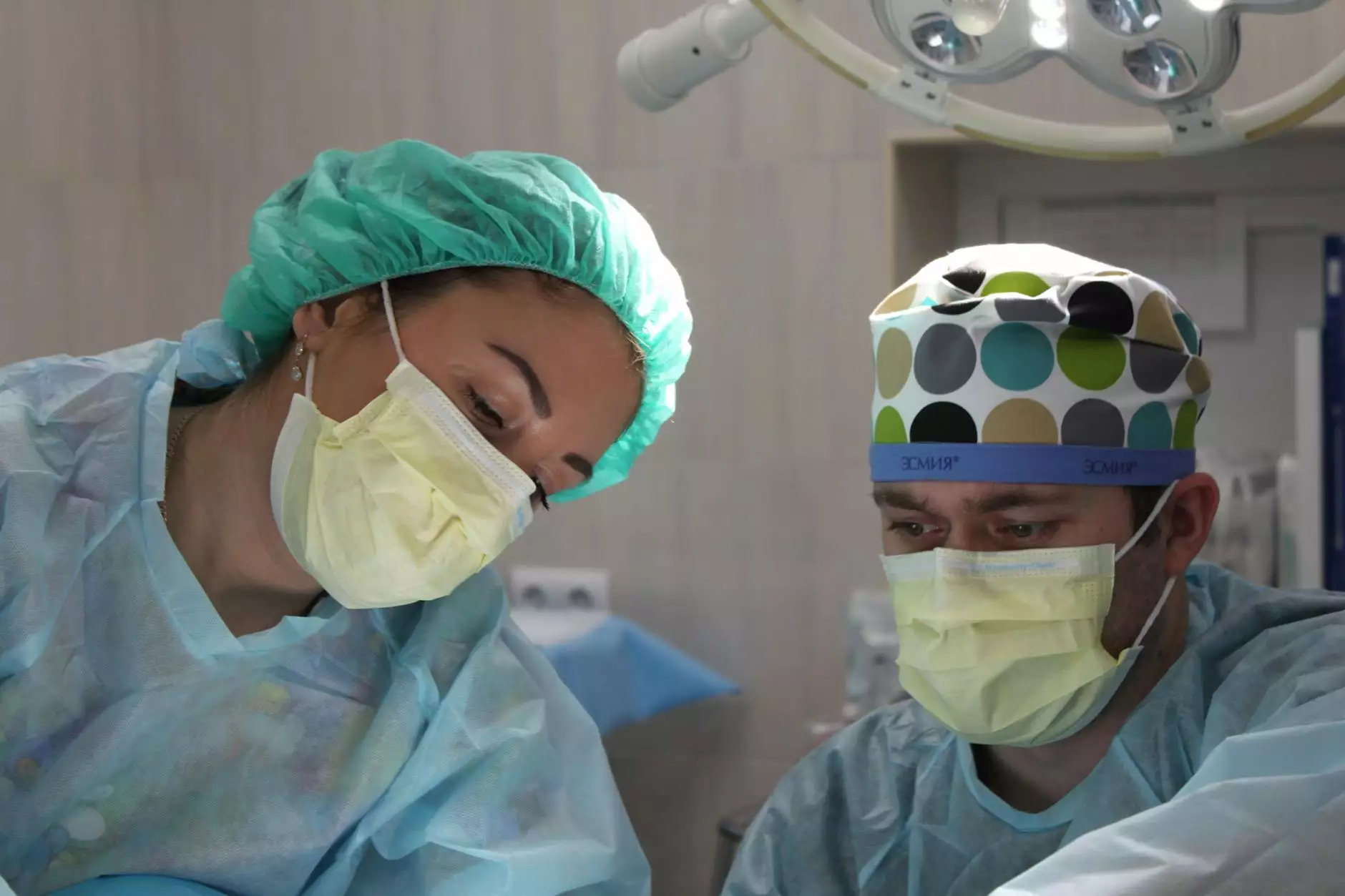
In the realm of women's health, advancements in minimally invasive procedures have revolutionized the diagnosis and treatment of various gynecological conditions. Among these, a hysteroscopy stands out as a pivotal technique that has brought precision, safety, and efficacy to the forefront of obstetric and gynecological practice. Today, top-tier clinics and specialists, such as those at drseckin.com, leverage hysteroscopy to enhance patient outcomes significantly. This comprehensive guide will delve deep into the nuances of a hysteroscopy, its applications, benefits, procedure details, and why trusted experts are your best choice for women's health care.
What Is Hysteroscopy? An In-Depth Definition
A hysteroscopy is a specialized, minimally invasive diagnostic and therapeutic procedure that utilizes a thin, lighted telescope called a hysteroscope to visualize the interior of the uterine cavity. Conducted typically through the vagina and cervix, this procedure allows gynecologists to examine, diagnose, and treat various uterine conditions effectively without the need for large incisions or extensive hospital stays.
Key Indications for Performing a Hysteroscopy
- Unexplained abnormal uterine bleeding: Including heavy periods, irregular bleeding, or bleeding between periods.
- Infertility evaluation: To investigate causes of infertility related to uterine abnormalities.
- Recurrent miscarriage assessment: To identify uterine anomalies or pathology linked to pregnancy losses.
- Uterine fibroid detection: To visualize and determine the size and location of fibroids.
- Polyps and endometrial hyperplasia identification: To diagnose benign or pre-cancerous growths.
- Uterine septum or congenital anomalies: To detect structural abnormalities present from birth.
- Evaluation of intrauterine adhesions (Asherman's syndrome): Post-surgical or due to infection.
- Investigating persistent abnormal Pap tests or imaging findings: Such as abnormal ultrasound results.
The Role of Hysteroscopy in Modern Gynecology
In today’s healthcare landscape, a hysteroscopy exemplifies the shift toward minimally invasive techniques that prioritize patient comfort, reduce recovery times, and improve diagnostic accuracy. Unlike traditional methods that often require open surgery or cervical dilation, hysteroscopy provides a direct, real-time view of the uterine cavity, enabling targeted intervention during the same session. This embedded precision transforms how obstetricians and gynecologists approach complex uterine conditions.
Types of Hysteroscopy: Diagnostic and Operative
Diagnostic Hysteroscopy
This procedure is primarily used to visually diagnose intrauterine abnormalities. It allows physicians to identify structural issues such as polyps, fibroids, adhesions, or congenital anomalies without significant patient discomfort or risk.
Operative Hysteroscopy
When abnormalities are discovered during diagnostic hysteroscopy, surgeons can perform treatment immediately—removing polyps, fibroids, septa, or intrauterine adhesions. The operative hysteroscopy is guided by the same principles but incorporates specialized surgical instruments passed through the hysteroscope's channel, allowing for precise removal, ablation, or correction of pathology.
The Hysteroscopy Procedure: Step-by-Step Insights
Preparation Phase
- Pre-procedure consultation: The gynecologist reviews medical history and discusses risks and benefits.
- Imaging assessments: Ultrasound or other imaging techniques may be performed to plan the procedure.
- Fasting and medications: Usually, fasting isn’t required, but some medications might be advised to reduce discomfort or risk of infection.
During the Procedure
- Patient positioning: Typically, the patient lies in a gynecological exam position.
- Insertion of the hysteroscope: The device is gently introduced through the vagina and cervix into the uterine cavity.
- Insufflation: The uterine cavity is inflated with a sterile fluid or gas to improve visualization.
- Visualization and assessment: The interior is carefully examined for any abnormalities.
- Treatment (if applicable): Surgical instruments are employed to remove polyps, fibroids, and other lesions as needed.
Post-Procedure Care and Follow-Up
- Patients are typically able to resume normal activities within a day or two.
- Discomfort or cramping may occur but is manageable with over-the-counter pain relievers.
- Follow-up visits are important to monitor healing or evaluate the resolution of identified pathologies.
Advantages of a hysteroscopy over Traditional Surgical Techniques
- Minimally invasive: No large incisions or hospitalization required.
- High diagnostic accuracy: Direct visualization ensures precise diagnosis.
- Immediate treatment: Many abnormalities can be addressed during the same procedure.
- Reduced recovery times: Patients often return to daily activities quickly.
- Lower complication rates: Less bleeding, infection, or adverse effects.
- Enhanced patient comfort: Less pain and anxiety compared to open surgeries.
Why Choose Dr. Seckin and Expert Obstetricians & Gynecologists for Your Hysteroscopy
When considering a hysteroscopy, selecting a healthcare team with extensive experience and a compassionate approach makes all the difference. Dr. Seckin and her team of renowned obstetricians and gynecologists specialize in women’s health, offering personalized care that prioritizes patient safety, comfort, and excellent outcomes.
Some compelling reasons to entrust your uterine health to Dr. Seckin’s clinic include:
- Cutting-edge technology: Utilization of the latest hysteroscopic equipment ensures optimal visualization and safety.
- Multidisciplinary expertise: Comprehensive care from diagnosis to treatment and follow-up.
- Patient-centered care: Emphasis on clear communication, patient education, and tailored treatment plans.
- High success rates: Proven track record in managing complex uterine conditions effectively.
- Comfort-focused procedures: Sedation options and anesthesia techniques tailored to patient needs.
Empowering Women Through Awareness and Advanced Gynecological Care
Knowledge is empowering. Understanding the significance of procedures like a hysteroscopy can help women make informed decisions about their reproductive health. Whether experiencing unusual bleeding, planning for pregnancy, or seeking reassurance about uterine health, consulting with expert obstetricians and gynecologists ensures access to comprehensive, safe, and effective care.
Learn More About Women’s Health and Medical Advances at Dr. Seckin’s Practice
If you are seeking a trusted source for advanced gynecological procedures, including a hysteroscopy, consider reaching out to Dr. Seckin’s clinic, where your health and well-being are the top priorities. Their team of dedicated professionals combines clinical expertise with compassionate care to support women through every stage of life.
Conclusion: The Future of Gynecological Health Lies in Innovation and Expert Care
As medical technology continues to evolve, procedures like a hysteroscopy exemplify the shift toward minimally invasive, accurate, and patient-friendly treatments. Partnering with experienced obstetricians and gynecologists ensures not only effective diagnosis and management but also a comfortable, confident journey toward optimal women’s health. For those interested in exploring this innovative procedure or seeking top-tier gynecological care, Dr. Seckin’s clinic stands ready to provide expert guidance and exceptional service.
Take the first step toward better uterine health today—trust in the power of modern medicine and personalized care that puts your well-being at the forefront.