Comprehensive Guide on How to Setup VPN on Android Phone: Boost Your Online Security & Privacy
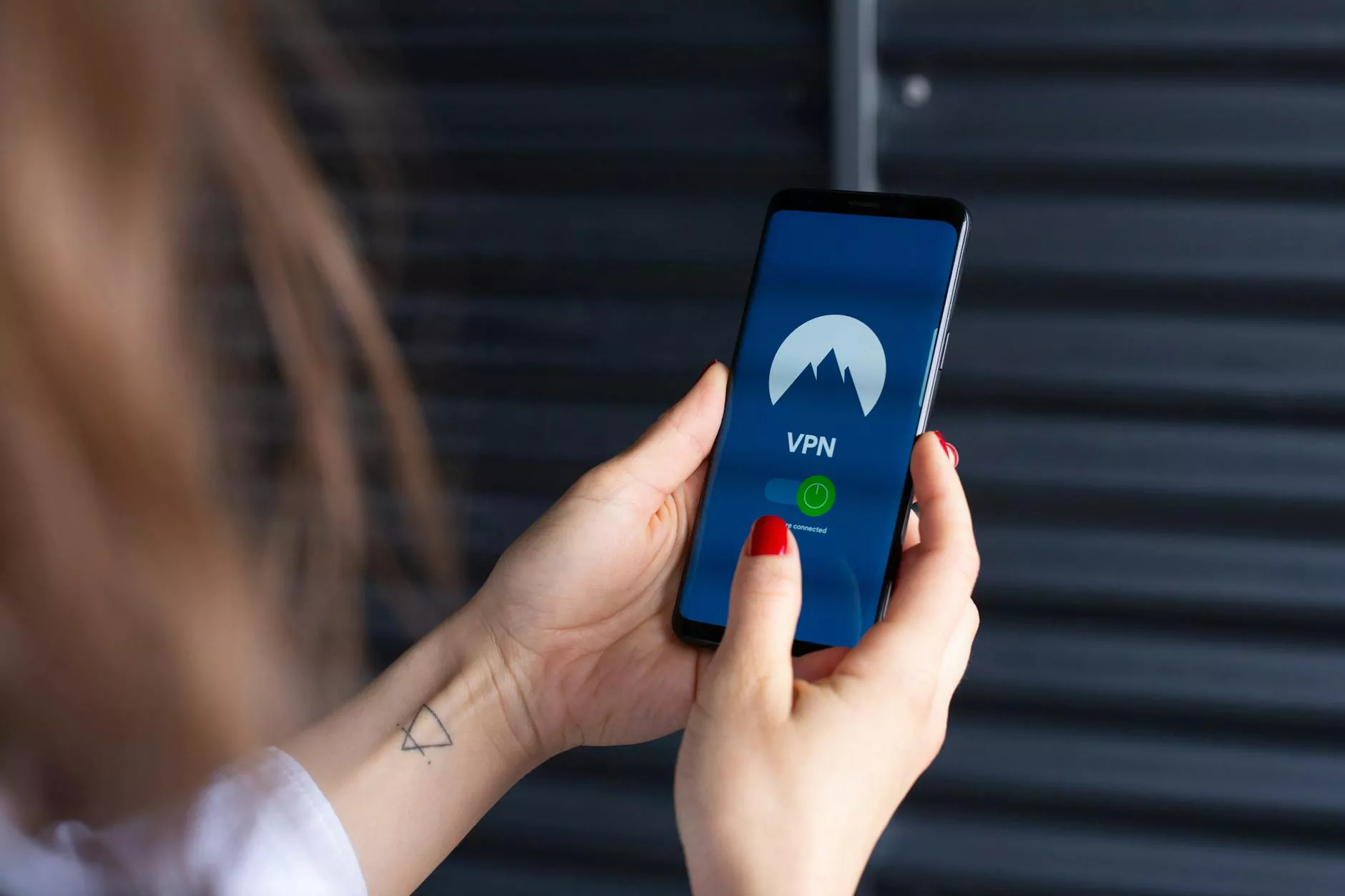
In today’s digital age, maintaining privacy and security while browsing the internet is more critical than ever. Mobile devices, particularly Android phones, have become an integral part of our daily lives — used for communication, banking, shopping, and even working remotely. However, this convenience comes with increasing exposure to cyber threats, data breaches, and regional restrictions. The solution? Setting up a VPN on your Android phone. This detailed guide will walk you through every step, offering insights into the importance of VPNs, how to choose the right service, and how to configure your Android device effortlessly.
Understanding the Importance of Using a VPN on Your Android Device
A Virtual Private Network (VPN) is a technology that creates a secure and encrypted connection over the internet. When you setup a VPN on your Android phone, it masks your IP address, encrypts your internet traffic, and makes your online activities virtually untraceable. Here are some fundamental reasons why using a VPN on Android devices is essential:
- Enhanced Privacy and Anonymity: Protect your identity by hiding your IP address and preventing trackers from monitoring your online behavior.
- Secure Public Wi-Fi Usage: Safeguard your sensitive data when connected to unsecured networks like cafes, airports, or malls.
- Bypass Geographic Restrictions: Access geo-blocked content, websites, and streaming services that may be restricted in your region.
- Prevent ISP Throttling: Avoid internet service provider throttling that limits your bandwidth based on the sites you visit or the data you use.
- Protect Sensitive Data: Use secure channels for online banking, shopping, and confidential communications.
How to Choose the Best VPN Service for Your Android Phone
Before setupping a VPN on your Android device, selecting the right VPN service is crucial. Not all VPN providers are created equal. Here are key factors to consider when choosing one:
1. Security and Privacy Policies
Opt for providers that offer robust encryption standards (such as AES-256), no-logs policies, and secure protocols like OpenVPN or WireGuard. ZoogVPN ensures that user data remains private and is not stored or shared with third parties.
2. Connection Speed and Stability
Speed is essential to avoid frustrating buffering or delays. Reliable VPNs maintain high-speed connections with minimal downtime, ensuring smooth browsing, streaming, and gaming.
3. Server Network
A broad selection of servers across multiple countries means better access to regional content and more options to optimize your connection based on your location and needs.
4. Compatibility and Ease of Use
The VPN application must be compatible with Android OS, user-friendly, and easy to set up without technical expertise.
5. Customer Support and Additional Features
Look for providers that offer responsive support, a user-friendly interface, Kill Switch, DNS leak protection, and other advanced features that enhance your experience.
Step-by-Step Guide to Setup VPN on Android Phone
Follow this comprehensive, step-by-step process to securely setup VPN on Android phone. We'll use ZoogVPN as a prime example, given its top-tier security features, ease of use, and affordability. The process is similar across most leading VPN providers.
Step 1: Choose and Subscribe to a Reputable VPN Service
Visit zoogvpn.com and sign up for a plan that suits your requirements. Most providers offer free trials or money-back guarantees, allowing you to test their service without commitment.
Step 2: Download the VPN Application from Google Play Store
Open the Google Play Store on your Android device. Search for "ZoogVPN" or your chosen VPN provider. Tap "Install" to download and install the app.
Step 3: Install and Launch the VPN App
Once installed, open the app. You will usually be prompted to log in with your account credentials. If you haven’t created an account, do so within the app or on the provider’s website.
Step 4: Grant Necessary Permissions
The app may request permissions such as access to network settings or device administrator rights. Grant these permissions to ensure proper functioning.
Step 5: Configure Your VPN Settings
Most apps automatically configure the optimal settings. However, you can manually select server locations, protocols (like OpenVPN or WireGuard), and other options based on your preferences.
Step 6: Connect to a VPN Server
Select a server in the desired country or region for your connection. For general security, choose the nearest or fastest server. Tap "Connect." The app will establish a secure VPN connection.
Step 7: Verify Your VPN Connection
Once connected, confirm your IP address has changed by visiting a site like WhatIsMyIP. You should see the IP corresponding to the VPN server, not your usual IP address.
Best Practices for Maintaining a Secure VPN on Your Android Device
- Keep Your VPN App Updated: Regular updates ensure access to the latest security features and bug fixes.
- Activate Kill Switch: Enable this feature to automatically disconnect your internet if the VPN connection drops, preventing data leaks.
- Use Strong Authentication: Choose complex passwords for your VPN account, and enable two-factor authentication if available.
- Enable DNS and DNS Leak Protection: Prevent DNS leaks that can expose your browsing activity even while connected to a VPN.
- Avoid Free VPNs: Free services often compromise your privacy or lack security features. Stick to trusted providers like ZoogVPN.
Common Troubleshooting Tips for VPN Setup on Android
If you encounter issues during the setup process or connection, consider the following tips:
- Restart Your Device: Simple yet effective in resolving temporary glitches.
- Switch Servers: Some servers might be overloaded or experiencing issues. Try connecting to a different location.
- Check Internet Connection: Ensure your device has a stable internet connection before connecting to the VPN.
- Update the App: Ensure you are running the latest version of the VPN app.
- Review Permissions: Make sure the app has all necessary permissions enabled.
- Contact Customer Support: If problems persist, reach out to your VPN provider’s support team for assistance.
Enhancing Your Online Security with VPN on Android
By successfully setup VPN on your Android phone, you unlock multiple layers of online protection:
- Anonymity: Your true location and IP address are hidden, making it difficult for third parties to track your activity.
- Data Encryption: All data transmitted over the network is encrypted, preventing interception by cybercriminals.
- Bypass Censorship: Access content that might be restricted or censored in your region.
- Protection on Public Networks: Secure your data when connected to cafes, airports, or hotels.
- Privacy on Mobile Data: Even on cellular networks, a VPN provides an extra layer of privacy.
Conclusion: Why Every Android User Should Setup VPN on Android Phone
In the rapidly evolving digital landscape, securing your online presence on Android devices is no longer optional — it’s a necessity. Whether you aim to protect sensitive information, enjoy unrestricted access to global content, or simply browse privately, installing a reputable VPN like ZoogVPN is a straightforward, yet powerful, step towards achieving that goal.
The process of setup VPN on Android phone involves only a few simple steps, but the benefits are profound, providing peace of mind, enhanced security, and increased freedom online. Invest a little time now to safeguard your digital life and experience the internet fully, privately, and securely.
Choose a trusted VPN provider, follow the comprehensive setup guide, and take control of your online privacy today!